
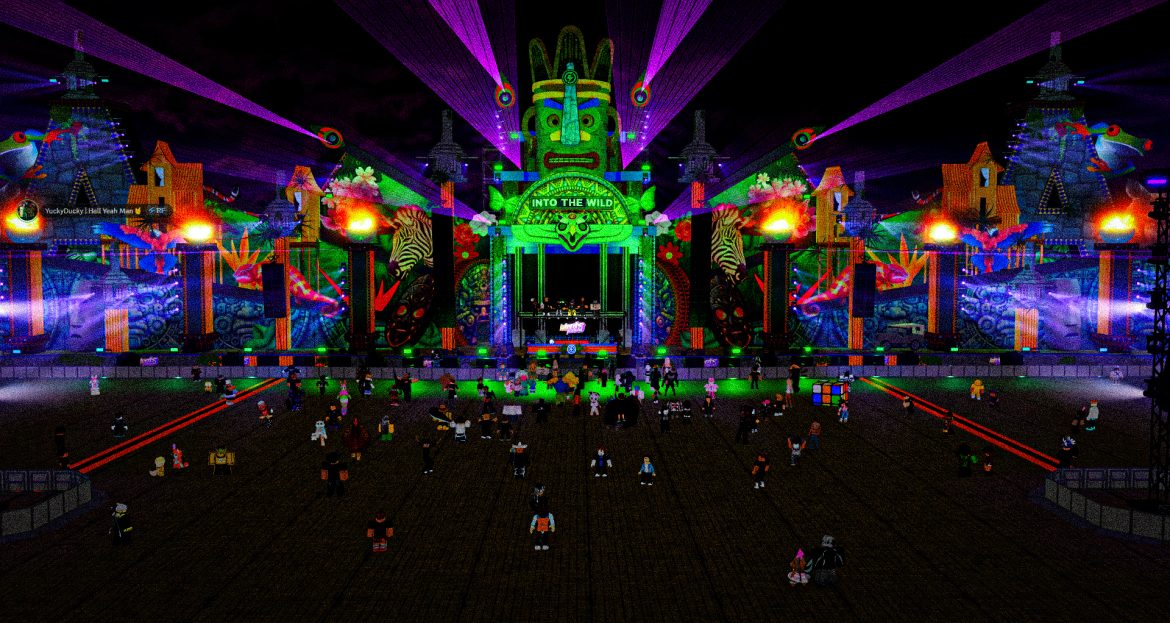
There is a common misconception floating around the entertainment industry that virtual events were just a temporary band-aid—a passing phase that kept us busy when the real world hit the pause button a few years ago. People look at a digital stage and think, “Oh, it’s just a cool pre-recorded 3D model with some automated lights blinking in a loop.” But they couldn’t be more wrong.
What is actually happening right now is a silent, powerful revolution. Virtual events aren’t just surviving; they are taking over. They have evolved from a backup plan into a massive, standalone form of entertainment. They are becoming the ultimate way to relive legendary moments and, more importantly, to create entirely new memories. But what makes a virtual event truly shift from a simple pixelated stream into an unforgettable, adrenaline-pumping reality? It isn’t just the software, the polygons, or the textures. It’s the human element. It’s the fact that behind the digital curtain, everything you see and hear is being driven live by passionate people in real-time.
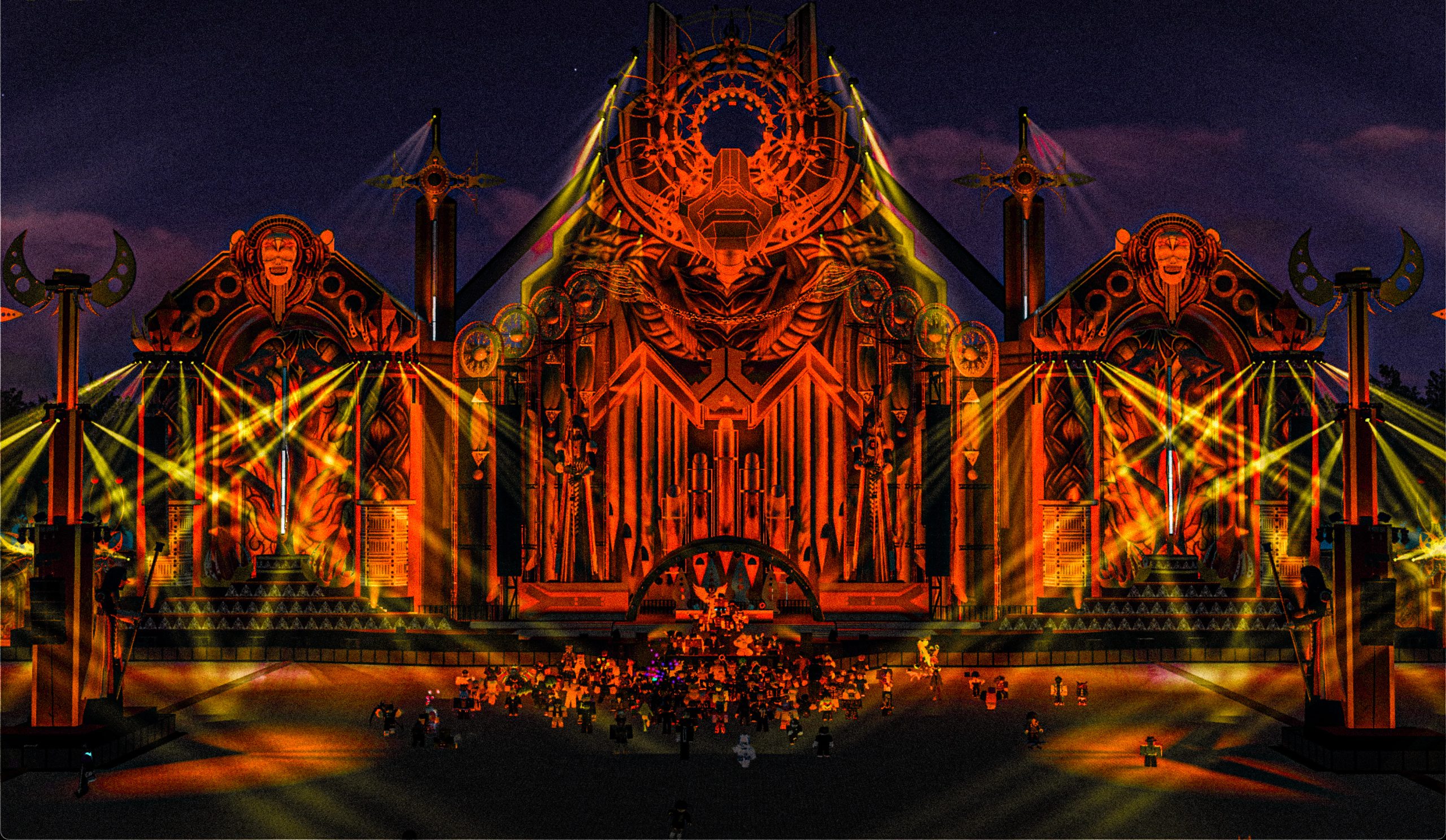
Moving Beyond the Generic: The Illusion vs. The Reality
When you walk into a generic virtual world, you can usually tell right away. The lasers move in a predictable, synchronized pattern that loops every two minutes. The visuals on the LED screens are just random stock videos playing on repeat. It feels cold. It feels robotic.
At Hearkken, we believe that if you treat a virtual event like a video game automation, you lose the soul of the experience. A real-time music festival is chaotic, energetic, and alive. To capture that same euphoria in the virtual space, you have to recreate the exact same ecosystem that exists in the physical world.
We do exactly what the massive real-world festivals do:
- We book live artists: Producers and DJs who mix their sets live, reacting to the energy of the room, changing transitions on the fly, and bringing their absolute best exclusive IDs.
- We bring in live production crews: The lights, the lasers, the pyrotechnics, and the visual smoke are not automated. There is literally an operator sitting at their desk at home, running a professional lighting console or visual software, smashing buttons and sliding faders in real-time to match the drops of the track.
When a DJ drops a massive, unexpected edit, the lighting designer reacts instantly—flashing the strobes, cutting the lasers, and changing the color palette to match the mood perfectly. That split-second human reaction is where the magic happens. That is what transforms a generic 3D space into a living, breathing reality.
The Massive Grind Behind the Magic
To the casual viewer, logging into a virtual festival looks effortless. You click a link, your avatar spawns in front of a massive, jaw-dropping stage, and the music hits your speakers. But beneath that seamless experience lies an incredible amount of hard work, sleepless nights, and pure passion.
Building these stages requires an intense fusion of software engineering, advanced 3D modeling, asset optimization, and architectural design. We aren’t just placing blocks; we are building complex, multi-layered environments that need to look stunning while running smoothly for hundreds of players simultaneously. Every truss, every moving head light, every line array speaker, and every single pixel on the LED screen has to be meticulously modeled, textured, and programmed.
The people driving this industry forward are not just developers; they are die-hard fans of the culture. They are the individuals who stand in the crowd at massive real-life festivals, feeling the bass shake their chests, and thinking: “How can I bring this exact feeling of awe to someone sitting thousands of miles away?” They look at the virtual space not as a limitation, but as a blank canvas with infinite freedom.
Freedom of Movement and True Connection
In the physical world, going to a major festival is an unmatched experience, but it comes with real-world barriers. You have to save up for expensive flights, worry about hotels, stand in massive lines, and sometimes deal with being packed so tightly into a crowd that you can barely move or see the stage.
Virtual events break down those walls completely. They give you absolute freedom of movement. Want to stand right at the front rail directly under the main speaker stacks? Done. Want to instantly teleport to the VIP deck to see the entire light show from the best angle in the house? You can do it with a single click.
But freedom of movement doesn’t mean you are experiencing it alone. The most beautiful part of this evolution is how it fosters genuine human connection. You aren’t just staring at a screen by yourself; you are exploring a massive world with your friends. You are dancing next to avatars belonging to people from Japan, the Netherlands, Colombia, and the United States, all united by the exact same kick drum. You talk, you share music, you explore the hidden secrets of the venue, and you form real bonds. It’s an entirely new subculture built on global connection.
A Self-Made Reality
What we are witnessing is the birth of a self-made reality. The virtual entertainment space has reached a point where it no longer needs to copy the real world to be relevant; it is setting its own rules. Because in the digital realm, gravity can be defied, stages can change their entire shape mid-set, and visual effects that would cost millions of dollars in real life can be brought to life through code and imagination.
Yet, despite all the digital freedom, the core foundation remains incredibly human. The euphoria is real. The goosebumps when the mainstage lights dim right before a headliner steps up are real. The cheering in the chat and the synchronized dancing of the avatars are real.
Virtual events are taking over because they offer the perfect balance: the limitless, mind-bending possibilities of digital design, backed by the raw, unscripted energy of live human performance. This isn’t just the future of entertainment; it is a movement being built right now by the passionate, the creative, and the sleepless. And at Hearkken, we are just getting started.